
Pick and Pack Improvements That Reduce Returns
Reducing returns starts long before a package ever reaches a customer’s doorstep. It begins inside the ecommerce warehouse, where small refinements in pick and pack workflows can prevent errors, protect product quality, and keep shoppers satisfied. Many brands don’t realize how much accuracy gaps, packaging choices, or outdated workflows influence return rates. With the right improvements in place, teams can create a smoother pack and ship experience that reduces shipping cost issues, protects margins, and builds repeat business.
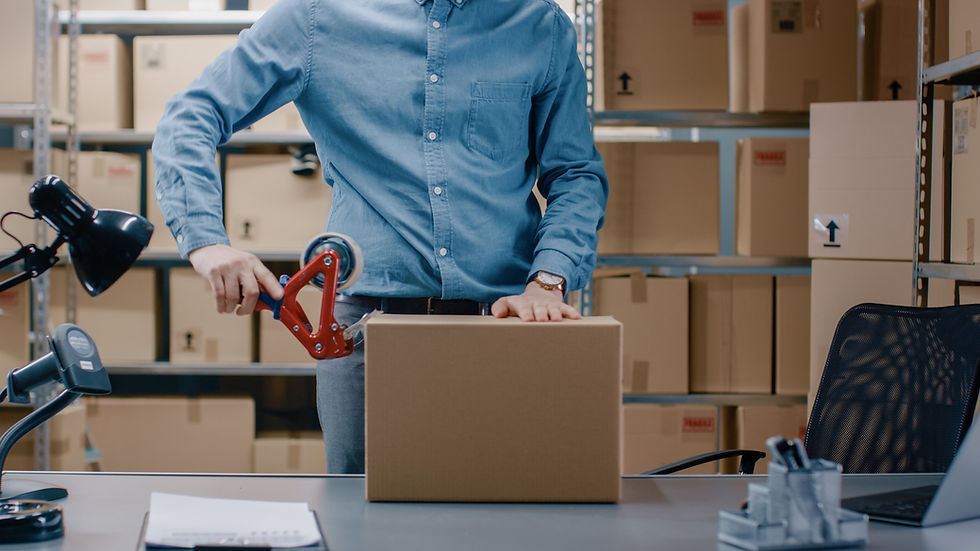
Table of Contents
Why Pick and Pack Improvements Matter
Pick and pack plays a bigger role in ecommerce fulfillment than most brands realize. It affects everything from customer satisfaction to long-term profitability. When teams make errors or rely on outdated systems, returns increase and shipping delays become more common. Even a small mistake, like the wrong item or insufficient packaging, can lead to a return request that eats into margins.
Pick and pack improvements help reduce these issues by refining how orders are selected, packed, and prepared for shipping. They create cleaner workflows that help both small and large brands scale without sacrificing accuracy. Whether a business manages its own ecommerce warehouse or uses 3PL fulfillment companies like FlatOut Fulfillment, the right improvements help maintain consistency and reduce avoidable costs.
Strengthening Accuracy Through Better Picking Workflows
Order picking is one of the most common sources of errors in ecommerce fulfillment. Even experienced teams can select the wrong item or quantity during busy seasons.
Use clear picking methods
Brands often choose between batch picking, zone picking, or wave picking depending on their inventory volume and order patterns. Each method has strengths:
Batch picking reduces travel time by grouping similar orders.
Zone picking limits picker movement, improving speed and accuracy.
Wave picking helps teams handle time-sensitive or express pack and ship orders more efficiently.
Choosing the right structure helps reduce returns tied to incorrect shipments.
Improve labeling and inventory visibility
Clear labeling and organized inventory storage support accuracy. Many ecommerce fulfillment warehouse operations now use barcode scanning or RFID systems to confirm item accuracy before orders move to packing. According to research from the Association for Supply Chain Management, barcode systems can significantly decrease mis-picks and improve traceability. Source: https://www.ascm.org
Integrate quality checks
Adding a quick verification step during picking reduces the chance of incorrect orders making it to the packing station. Some teams use digital checklists or require a scan-to-confirm step that alerts them when an item doesn’t match the order.
Packaging Upgrades That Reduce Damage and Returns
Damaged products account for a significant portion of ecommerce returns. Packaging improvements can make a major difference in protecting items from breakage, crushing, or leaking during transit.
Choose packaging that fits the product
Void fill is helpful, but oversized boxes increase movement during shipping. Selecting packaging that matches product size reduces damage, lowers material waste, and can help reduce shipping cost challenges.
Use tested packing materials
Brands shipping fragile items often benefit from bubble pouches, molded inserts, or corrugated materials designed to absorb impact. For liquids or skincare products, leak-preventive packaging and sealed bags help avoid costly replacements.
Standardize packing workflows
Clear instructions help packers deliver consistent results. Many pick and pack fulfillment services rely on standardized guidelines for:
Fragile items
Multiple-SKU orders
Temperature-sensitive products
Kitting or bundle orders
When packers know exactly how each product type should be prepared, returns from damage decrease significantly.

Improving Pack and Ship Speed Without Sacrificing Quality
Speed is important for customer expectations, but rushing operations can create mistakes that lead to returns. A balanced workflow supports both accuracy and efficiency.
Organize packing stations
Packing stations should have the right materials within reach, including tape, void fill, branded inserts, and return information. A clear layout reduces time spent searching for supplies and keeps orders moving.
Build a workflow that supports scaling
Seasonal volume spikes often cause teams to cut corners, which leads to errors. Peak periods are easier to handle when workflows include:
Pre-assembled boxes
Streamlined pack and ship guidelines
Automated inventory alerts
Scheduled restocking cycles
Improving speed doesn’t require sacrificing consistency. Small workflow refinements reduce bottlenecks while improving accuracy.
How Technology Supports A Guide to Pick and Pack Services
Many brands turn to automation and software tools to enhance pick and pack operations. Technology can help reduce human error, speed up processes, and improve oversight at each stage of the order journey.
Use warehouse management systems (WMS)
A strong WMS supports barcode verification, real-time inventory updates, order routing, and station-level performance tracking. When connected to ecommerce platforms like Shopify or BigCommerce, it keeps data clean and reduces duplicate or incorrect orders.
Automate where practical
Automation doesn’t have to be large-scale robotics. Even small enhancements—like automated sorting conveyors, label printers, or digital packing slips—can improve the accuracy of pick pack ship workflows.
Provide transparency for customer service
With better order visibility, support teams can quickly confirm if an error occurred during picking, packing, or carrier transit. Faster answers reduce back-and-forth communication and improve the overall customer experience.
The Value of Partnering With a Reliable Fulfillment Company
A professional fulfillment company can take pressure off internal teams and help reduce returns through established processes and trained staff. Many brands rely on 3PL fulfillment companies to manage pick and pack, kitting fulfillment, storage, and shipping workflows as they scale.
Why brands use 3PL partners
Access to efficient ecommerce fulfillment workflows
Better inventory tracking and product handling
Experience working with multiple carriers and service levels
Ability to manage global pack and ship or express pack and ship needs
These advantages help reduce errors and protect product quality, especially for brands handling large order volumes or subscription boxes.
Consistency matters
One of the biggest benefits of working with a 3pl is consistency. These teams are trained in A Guide to Pick and Pack Services and use tested workflows to minimize returns. When product handling becomes predictable, customers experience fewer issues, leading to stronger loyalty and fewer replacements.

Pick and Pack Improvements at FlatOut Fulfillment
FlatOut Fulfillment helps brands reduce returns by improving accuracy, packaging quality, and workflow efficiency. With strong systems for pick and pack, pack and ship, inventory tracking, and kitting, we support ecommerce brands looking for scalable solutions that protect customer satisfaction and product quality. If you’re exploring ways to reduce returns and streamline ecommerce fulfillment, our team is here to help. Contact us to learn more about our services and how we support growing brands.


