
How Pick and Pack Creates Faster Order Flow
Speed matters in ecommerce. Customers expect accurate orders, fast shipping, and consistent updates from checkout to delivery. Behind that experience is a system most shoppers never see: pick and pack. When structured properly, pick and pack creates faster order flow by reducing delays, improving accuracy, and keeping products moving efficiently inside the warehouse.

Table of Contents
Understanding Pick and Pack in Ecommerce Fulfillment
Pick and pack is the process of selecting products from inventory and preparing them for shipment after a customer places an order. In a modern ecommerce warehouse, this includes scanning SKUs, verifying quantities, packaging items securely, and routing them for carrier pickup.
Within ecommerce fulfillment, this process connects order management systems to physical inventory movement. It is where digital transactions become physical shipments. Whether handled by internal teams or 3PL fulfillment companies, the structure of this workflow determines how quickly orders leave the building.
A well-designed ecommerce fulfillment warehouse minimizes unnecessary movement. Instead of employees walking long distances for each order, inventory is organized strategically to support faster picking. That is the foundation of Pick and Pack Improvements.
Why Pick and Pack Creates Faster Order Flow
The reason Pick and Pack Creates Faster Order Flow is simple: fewer steps, fewer errors, and fewer bottlenecks. Every delay inside a warehouse compounds across hundreds or thousands of daily orders.
Reduced Handling Time
When products are positioned based on demand frequency, high-volume items are easier to access. This reduces walking time and speeds up the pick pack ship cycle. Clear labeling, organized shelving, and batch picking strategies all contribute to measurable time savings.
Fewer Errors and Re-Shipments
Order accuracy plays a direct role in speed. Incorrect shipments lead to returns, customer complaints, and secondary shipments that slow operations. Structured pick and pack fulfillment services rely on barcode scanning and verification systems to confirm accuracy before pack and ship processes begin.
Streamlined Carrier Handoff
A smooth pack and ship workflow ensures orders are ready before carrier cut-off times. Whether working with global pack and ship networks or express pack and ship providers, timing matters. When orders are staged properly, carriers can load faster, which protects delivery promises.
The Role of Technology in Pick and Pack Improvements
Technology transforms manual processes into predictable systems. Warehouse management systems, handheld scanners, and real-time dashboards give fulfillment teams visibility into order queues and inventory levels.
Real-Time Inventory Tracking
In an ecommerce warehouse, real-time tracking prevents stockouts and mis-picks. When inventory updates instantly after each scan, teams avoid delays caused by missing products. This improves overall ecommerce fulfillment efficiency and supports faster throughput.
Intelligent Order Routing
Modern 3pl systems often batch orders based on location within the warehouse. Instead of picking one order at a time, staff can collect multiple items in a single pass. This reduces congestion and accelerates pack and ship completion. These Pick and Pack Improvements may seem small individually, but together they create consistent flow.
Warehouse Layout and Workflow Optimization
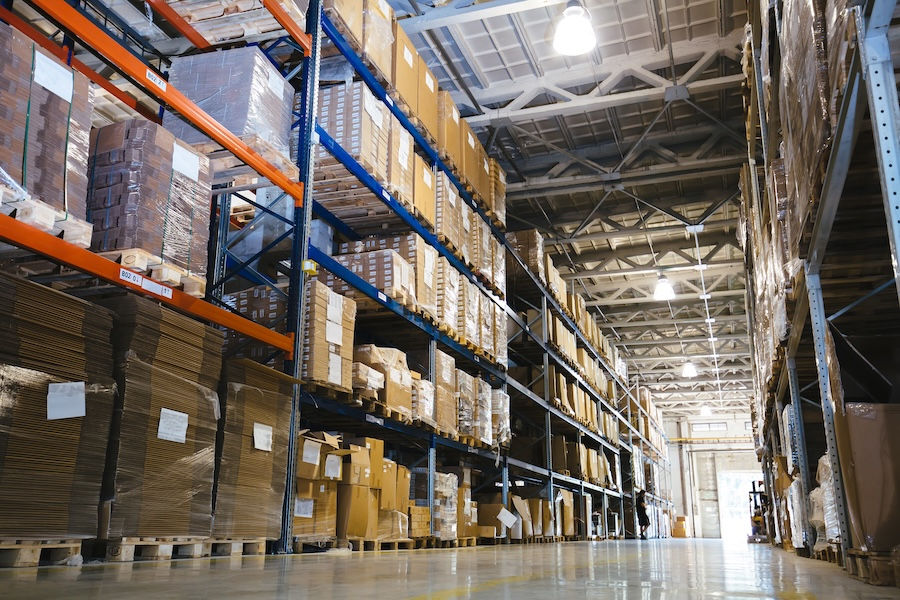
Physical layout plays a major role in how pick and pack performs. A poorly designed ecommerce fulfillment warehouse creates traffic jams, wasted motion, and misplaced inventory.
Zoning High-Demand SKUs
Fast-moving products should be positioned near packing stations. Slower items can remain in secondary zones. This simple zoning structure helps pick pack ship teams move more efficiently.
Clear Staging Areas
Dedicated packing zones prevent overlap between picking and packaging teams. Orders are scanned, verified, packed, and labeled in a consistent sequence. That structure supports faster order flow without increasing labor hours.
Organized Shipping Stations
Carrier labeling, documentation, and staging should be integrated into the final step of the workflow. When teams move directly from pack and ship stations to outbound staging, there is less friction before carrier pickup.
Pick and Pack Services vs In-House Fulfillment
Many brands start with in-house operations before transitioning to a fulfillment company. As order volume increases, maintaining speed becomes more challenging.
Capacity Constraints
An internal ecommerce warehouse may struggle during seasonal spikes. Hiring and training temporary staff takes time, which can slow order flow during peak demand.
Expertise and Standardization
Experienced 3PL fulfillment companies have refined workflows and proven systems. A Guide to Pick and Pack Services often highlights structured processes, trained teams, and data-driven improvements that are difficult to replicate quickly in-house. FlatOut Fulfillment, for example, designs pick and pack fulfillment services around scalable systems. That consistency helps brands maintain order flow even during growth phases.
Kitting and Value-Added Services That Enhance Flow
Kitting plays an important role in speeding up fulfillment. Instead of assembling bundled products at the time of order, kitting fulfillment prepares sets in advance.
Pre-Assembled Bundles
When kits are pre-built, pick pack ship teams select one SKU instead of multiple components. This shortens pick time and reduces complexity.
Subscription and Promotional Inserts
Kitting fulfillment also supports subscription models and promotional campaigns. Preparing inserts ahead of time prevents bottlenecks during high-volume promotions. By combining pick and pack with kitting, brands improve workflow while maintaining flexibility.
How Faster Order Flow Helps Reduce Shipping Cost
Speed does more than satisfy customers. It can reduce shipping cost in measurable ways. Orders processed quickly are less likely to require expedited shipping to meet delivery deadlines. Faster internal handling protects standard shipping timelines, which keeps transportation expenses predictable.
Efficient pick and pack fulfillment services also minimize dimensional weight mistakes. Proper packaging selection and accurate order consolidation reduce unnecessary shipping charges. Over time, these operational efficiencies compound into meaningful cost savings.
Why It Matters for Scaling Ecommerce Brands
As brands grow, order volume increases daily complexity. Without structured systems, small inefficiencies multiply.
Pick and Pack Creates Faster Order Flow by building repeatable processes that scale. Instead of relying on individual effort, the system itself supports performance. That stability is especially important for brands expanding into new markets or working with global pack and ship networks. When ecommerce fulfillment operates smoothly, leadership teams can focus on marketing, product development, and customer experience instead of warehouse troubleshooting.
How FlatOut Fulfillment Supports Faster Order Flow
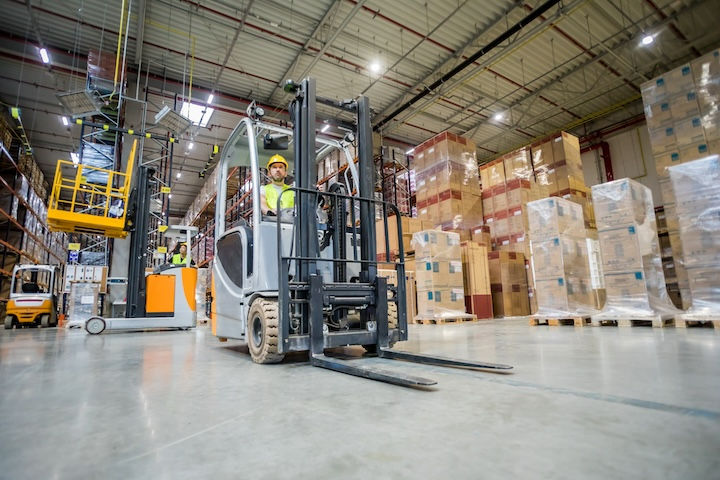
At FlatOut Fulfillment, pick and pack fulfillment services are designed to create consistent, predictable movement inside the warehouse. By aligning layout, technology, and trained teams, the process supports ecommerce brands at every stage of growth.
If you are evaluating ways to improve order speed or streamline your ecommerce warehouse, our services are built to support scalable pick and pack strategies. Contact us to learn more about how FlatOut Fulfillment can help optimize your fulfillment operations.


