
How to Reduce Ecommerce Shipping Complaints Before They Start
Shipping complaints are one of the most common pain points for ecommerce businesses, and honestly, they're also one of the most preventable. Whether it's a package that arrived late, a tracking number that never updated, or a product that showed up damaged, most of these issues trace back to breakdowns that happen long before the carrier picks up the box. The good news is that a lot of these problems are fixable with the right processes in place.
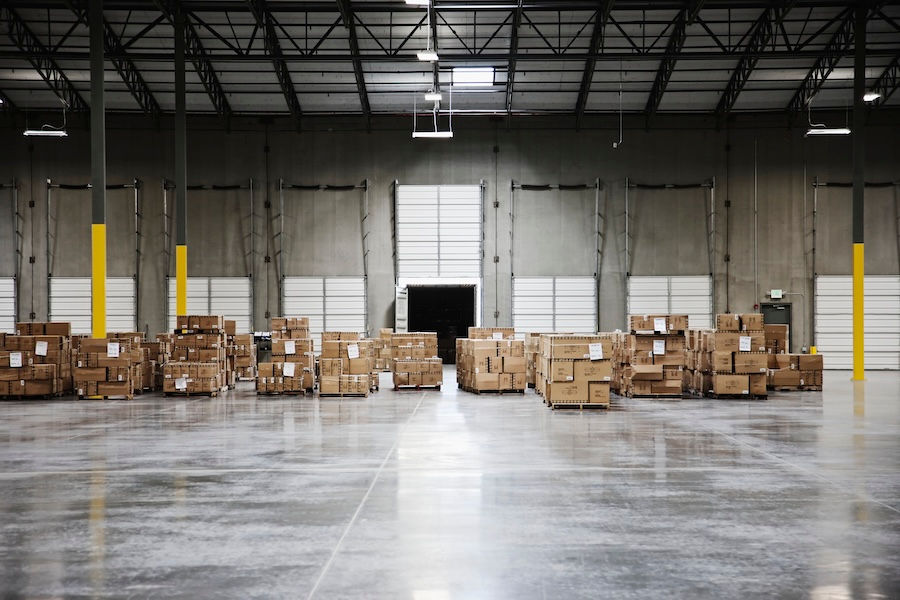
Table of Contents
Why Shipping Speed Impacts Customer Retention
Customers remember how their order arrived. If it came fast and in good shape, they probably didn't think much about it. If it came late, damaged, or with zero communication, that's the experience they're going to tell people about. Research from Narvar consistently shows that a poor delivery experience is one of the top reasons shoppers don't return to a brand.
Fast shipping solutions aren't just a logistics perk anymore. They've become a baseline expectation, especially as large retailers have conditioned shoppers to expect two-day or even next-day delivery. That doesn't mean every small or mid-sized ecommerce brand needs to compete on that exact timeline, but it does mean that shipping speed and reliability are directly tied to whether a customer comes back.
What Customers Actually Want
More than speed alone, customers want predictability. They want to know when their order is coming, and they want that estimate to be accurate. Brands that nail communication and transparency tend to get far fewer complaints than those who simply promise fast delivery without the infrastructure to back it up.
Set Realistic Expectations From the Start
One of the most effective ways to reduce complaints is to stop overpromising. If your standard shipping window is five to seven business days, say that clearly on your product page and at checkout. Customers who know what to expect are far less likely to reach out frustrated when their package hasn't arrived in three days.
Use Your Confirmation Emails Wisely
Order confirmation and shipping confirmation emails are some of the most-opened messages a brand sends. Use that real estate to communicate clearly. Include the estimated delivery window, a tracking link, and a contact method in case something goes wrong. These small details reduce the number of "where is my order" inquiries your support team has to handle and set a professional tone from the start.

Invest in Fast and Reliable Shipping Partners
Not all carriers perform the same way in every region, and not all shipping and freight companies are built for ecommerce volume. Choosing the right partner makes a significant difference in how your shipments actually perform in the real world.
Fast and reliable shipping comes down to more than just transit time. It also means accurate tracking updates, consistent pickup schedules, and responsive support when issues arise. If you're regularly seeing late deliveries or tracking gaps with your current carrier, it may be worth auditing your shipping relationships and exploring alternatives.
Consider Carrier Mix and Redundancy
Relying on a single carrier puts you in a vulnerable position, especially during peak seasons when capacity constraints are common. Working with multiple carriers gives you flexibility and helps ensure that one disruption doesn't derail your entire operation.
Understand the Difference Between Freight and Shipping
If your business moves larger volumes or oversized products, understanding the difference between freight and shipping becomes important. Standard parcel shipping covers smaller, lighter packages handled by carriers like UPS, FedEx, or USPS. Freight, on the other hand, applies to larger, heavier shipments that move on pallets or require specialized handling through freight carriers or LTL (less-than-truckload) services.
Many ecommerce brands make the mistake of using the wrong method for their shipment type, which leads to unnecessary costs, delays, or damaged goods. Knowing when to use parcel versus freight can help you optimize both cost and delivery reliability. Resources like Freightos offer useful breakdowns of when each method makes the most sense.
Reduce Shipping Delays Through Better Warehouse Operations
A lot of shipping delays don't actually happen in transit. They happen before the package ever leaves the building. Slow pick-and-pack processes, disorganized inventory, and bottlenecked fulfillment workflows all add time between when a customer places an order and when it actually ships. Reducing shipping delays often starts with an honest look at your ecommerce warehouse operations.
Key Areas to Evaluate
Cycle time from order to shipment is one of the most telling metrics. If you're regularly hitting same-day or next-day fulfillment cutoffs, that's a strong foundation. If orders are sitting for two or three days before they ship, that's where complaints are likely to originate. Other areas worth evaluating include inventory accuracy, pick path efficiency, and how returns are processed and restocked. Ecommerce fulfillment partners that specialize in this work often have the systems and volume experience to turn orders around faster than in-house teams can manage at smaller scales.
Be Proactive When Something Goes Wrong
Even with solid processes in place, shipments occasionally go sideways. A package gets lost, a delay hits, or a product arrives damaged. How your brand responds in those moments often matters more than the incident itself.
Customers who receive a proactive message acknowledging a delay before they even reach out are far more likely to remain loyal than those who have to chase down answers. Set up automated alerts when shipments miss key milestones, and empower your customer service team to resolve issues quickly. A prompt refund or replacement can turn a frustrated buyer into a repeat customer.

How to Reduce Ecommerce Shipping Complaints With the Right Fulfillment Partner
Getting ahead of shipping complaints means having the right logistics infrastructure behind your brand. FlatOut Fulfillment is built to help ecommerce businesses ship faster, more accurately, and with greater transparency at every step. From same-day order processing to carrier flexibility and real-time tracking, our services are designed to reduce the friction points that lead to complaints in the first place. If you're ready to improve your fulfillment operation and keep your customers coming back, contact us today to learn how we can help.


