
Freight Class Optimization for Lower Shipping Costs
If you've ever looked at a freight invoice and thought, "why is this so expensive?"—you're not alone. One of the most common mistakes businesses make is misclassifying their freight. It sounds like a minor detail, but the wrong freight class can add up to hundreds or even thousands of dollars in unnecessary charges every year. Understanding freight class optimization is one of the most practical shipping and freight tips you can act on right now.

Table of Contents
What Is Freight Class and Why Does It Matter?
Freight class is a standardized system for categorizing less-than-truckload (LTL) shipments. It was developed by the National Motor Freight Traffic Association (NMFTA) and ranges from Class 50 to Class 500. The lower the class, the cheaper the rate. The higher the class, the more you pay. Every item you ship gets assigned a class, and that classification directly determines what you're charged.
The system exists because not all freight is created equal. Carriers need to account for how much space a shipment takes up relative to its weight, how easy it is to handle, and how likely it is to be damaged or cause damage to surrounding freight. The freight class system provides that shared language between shippers and carriers.
What Factors Impact Shipping Costs?
Understanding what factors impact shipping costs starts with knowing the four characteristics that determine freight class:
Density
Density is the most influential factor. It's calculated by dividing the weight of your shipment by its volume in cubic feet. High-density items like steel or machinery fall into lower, cheaper classes. Low-density items like pillows or foam packing materials land in higher, more expensive ones.
Stowability
This refers to how easily your freight can be loaded alongside other shipments. Hazardous materials, oddly shaped items, or anything requiring special handling will get bumped into a higher class because carriers have to accommodate them differently.
Handling
Some freight requires extra care during loading, transit, and unloading. Fragile goods, items that can't be stacked, or products with unusual packaging can all influence your class assignment upward.
Liability
If your freight is prone to theft, spoilage, or damage, carriers factor in that potential liability. Higher-liability items are assigned to higher freight classes and carry steeper rates as a result.
The Difference Between Freight and Shipping
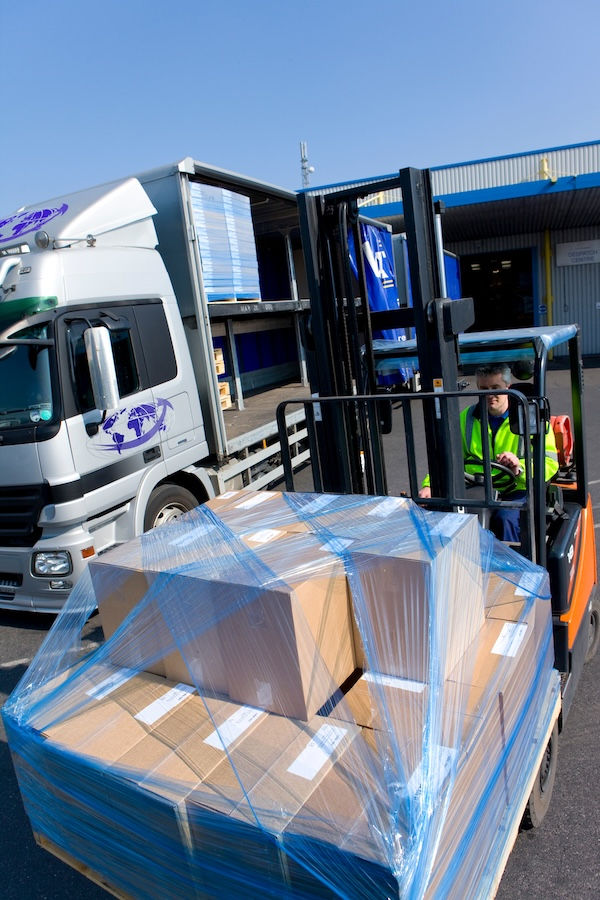
A lot of people use these terms interchangeably, but there is a real difference between freight and shipping. Shipping generally refers to sending smaller, lighter parcels through carriers like UPS, FedEx, or USPS. Freight is the movement of larger, heavier commercial goods, typically over 150 pounds, via LTL or full truckload (FTL) carriers. When we talk about freight class optimization, we're focused on LTL freight specifically, where your cargo shares space on a truck with other shippers' goods. That context matters because every cubic inch counts when you're paying for a portion of the trailer.
How Misclassification Drives Up Your Freight Spend
Misclassifying freight is more common than most businesses realize, and it shows up two ways. Under-classification happens when a shipper assigns a lower class than the freight qualifies for, hoping to save money. Carriers audit shipments and will reclassify on the spot, resulting in a reclassification fee on top of the corrected rate. Over-classification happens when businesses default to a higher class out of caution. Either scenario inflates your freight spend and distorts your logistics budget, making it harder to price products accurately and protect your margins.
Practical Tips for Freight Class Optimization
Getting freight class optimization right doesn't require a logistics degree. There are straightforward steps any business can take to tighten up their classification process and start reducing shipping costs.
Measure and Weigh Accurately
The most basic fix is also the most impactful. Weigh shipments on a calibrated scale and measure dimensions carefully, including any packaging overhang. Even a few inches of inaccuracy can bump a shipment into a higher density bracket and a more expensive class.
Use an NMFC Code Lookup
Every commodity has a National Motor Freight Classification (NMFC) item number that maps to a specific freight class. The NMFTA's lookup tools let you search by product type, taking the guesswork out of classification. If your product has sub-classes, select the right one based on density or packaging type.
Invest in Proper Packaging
Oversized or poorly secured packaging increases shipment volume without adding weight, which lowers density and pushes you into a higher class. Right-sized packaging directly improves your density score and can meaningfully reduce what you pay per shipment.
Consider Density-Based Pricing
Some carriers offer density-based pricing programs where your class is determined by the calculated density of your shipment rather than the NMFC code. For businesses with consistent product types, this can simplify the process and eliminate ambiguity from classification entirely.
Audit Your Invoices Regularly
Carrier reclassifications and accessorial charges have a way of quietly inflating freight bills. Set aside time monthly to review invoices against original quotes. Catching discrepancies early and addressing them directly with your carrier can recover real money over time.
The Role of Freight Management in Long-Term Savings
Freight class optimization is one piece of a larger freight management strategy. Reducing shipping delays, consolidating shipments, negotiating carrier contracts, and keeping accurate product data in your shipping software all work together to lower freight spend over time. Fast and reliable shipping isn't just about speed; it's about predictability. Accurate freight classification reduces the chance of surprise charges and delivery disputes that slow everything down.
For ecommerce businesses, these details are especially consequential. Errors in freight classification can cascade into delayed inventory replenishment, stockouts, and dissatisfied customers. Whether you're running an ecommerce warehouse in-house or relying on fulfillment companies to manage logistics, accurate freight data is foundational to smooth operations.

How FlatOut Fulfillment Supports Smarter Shipping
At FlatOut Fulfillment, we understand that freight class details and carrier pricing can feel overwhelming, especially when you're focused on running a business. Our team works alongside ecommerce brands and growing businesses to take the complexity out of logistics. If you're looking to reduce costs and get more predictability in your supply chain, explore our services to see how we can help. Contact us today and let's talk about what smarter freight management looks like for your business.


