
How Smart Ecommerce Fulfillment Plays a Key Role in Reducing Returns
Returns are one of the most frustrating parts of running an online store. They cost money, eat up time, and can quietly chip away at your profit margins before you even realize it's happening. But here's the thing — a lot of returns are preventable, and the way you handle fulfillment has more to do with it than most people think. Understanding how fulfillment and returns connect is worth your time, whether you're a small business just starting to scale or an established brand trying to tighten up operations.

Table of Contents
Why Returns Are Such a Big Problem for Ecommerce Brands
Online shopping has a returns problem. According to the National Retail Federation, return rates for ecommerce purchases consistently run higher than those for in-store purchases, with some product categories seeing return rates upward of 30%. That's a significant chunk of revenue walking out the door.
Beyond the lost sale, returns bring a long list of secondary costs: shipping back to the warehouse, restocking labor, potential product damage, and items that can't be resold at full price. For growing brands, an unmanaged returns problem becomes a serious drag on profitability. Getting ahead of it means looking at where returns actually start, and that usually traces back to the fulfillment process.
The Connection Between Fulfillment and Return Rates
Most people think of returns as a customer service issue, and while that's part of it, returns management in ecommerce really starts at the fulfillment stage. When an order is picked and packed incorrectly, the wrong product shows up at the customer's door. When items aren't packed with enough protective materials, they arrive damaged. When shipments are delayed, customers sometimes refuse delivery or return items before they even try them.
On the flip side, a reliable ecommerce warehouse with solid quality control processes and accurate picking systems can catch most of these problems before a box ever leaves the building. That's where fulfillment becomes a real competitive advantage.
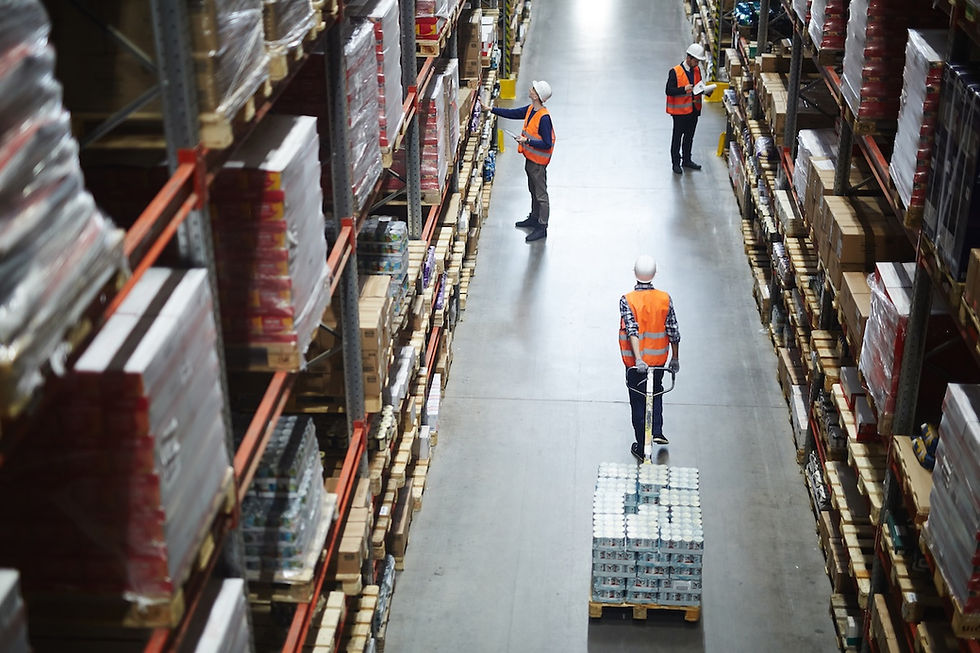
Ecommerce Fulfillment Strategies That Help with Reducing Returns
There are several practical approaches that fulfillment-focused businesses use to keep return rates low. These ecommerce fulfillment strategies aren't complicated, but they do require consistency and attention to detail.
Accurate Order Picking and Quality Checks
One of the most common drivers of returns is simply sending the wrong item. Implementing barcode scanning, pick verification software, and regular accuracy audits can make a measurable difference, and even small improvements in picking accuracy add up quickly at scale.
Protective and Appropriate Packaging
Right-sizing packaging to the product, using appropriate cushioning materials, and clearly labeling fragile items all contribute to fewer damaged goods arriving at a customer's door. Damaged products are one of the leading causes of returns, and most of that damage happens in transit when packaging isn't up to the job.
Accurate Product Descriptions and Photos
When customers receive a product that doesn't match what they saw online — whether in size, color, or material — they send it back. Making sure what's physically in your warehouse matches what's listed on your product pages is a straightforward win for reducing returns that often gets overlooked.
Faster, More Reliable Shipping
When customers order something and it doesn't arrive on time or gets lost in transit, they lose trust and return items at higher rates. Choosing fulfillment partners with strong carrier relationships and a track record of reliable delivery is one of the most direct ways to keep customers happy and return rates manageable.
What Is 3PL and How Does It Help?
If you're newer to the logistics side of ecommerce, you may be wondering — what is 3PL, exactly? Third-party logistics, or 3PL, refers to outsourcing your warehousing, picking, packing, and shipping operations to a specialized provider. Instead of managing your own ecommerce warehouse, you partner with a fulfillment company that handles the physical side of your business.
A good 3PL fulfillment company brings infrastructure, technology, and expertise that most growing brands can't cost-effectively replicate on their own. From inventory management systems to carrier integrations to returns processing, third-party logistics providers handle the operational complexity so you can stay focused on growing your brand. For businesses considering fulfillment companies in Utah, there's also a geographic advantage worth noting — Utah's central location allows for efficient shipping to both coasts, which can meaningfully reduce transit times for brands with a national customer base.
The Role of 3PL in Building a Smarter Returns Process
The role of 3PL doesn't end when a package goes out the door. A capable 3PL partner also plays a meaningful part in how returns are handled when they do come back, which is where working with experienced 3rd party warehouse companies really pays off.
When returns arrive at a fulfillment center, they need to be inspected, sorted, and either restocked, refurbished, or disposed of depending on their condition. A structured returns process gets sellable inventory back into stock faster and gives you real data on why items are coming back. That data can highlight patterns — like a product that consistently returns for the same reason — so you can fix the problem at the source. Business fulfillment services that include returns management also tend to improve the customer experience on the back end, making customers more likely to shop with you again even after a return.
How to Choose the Right Fulfillment Partner
Not all fulfillment companies for ecommerce are built the same way. Technology and real-time inventory visibility are non-negotiable — you should be able to see what's in stock, where orders are, and how returns are being processed at any given moment. Location matters too, since a fulfillment center in Utah can offer solid coverage across the western U.S. while still reaching eastern markets competitively. Look for a partner with a documented quality control process and clear answers about how they handle picking errors and returns. And think about scalability — switching fulfillment providers is a significant disruption, so finding a partner that can grow with you saves headaches down the road.

How FlatOut Fulfillment Supports Your Business
At FlatOut Fulfillment, we work with ecommerce brands that are serious about getting their operations right. From accurate order fulfillment and thoughtful packaging to streamlined returns handling, we're built to help you reduce the friction that leads to returns in the first place.
If you're ready to take a closer look at how your fulfillment operation might be affecting your return rate, we'd love to help. Contact us or explore our services and find out how we can help your ecommerce business run leaner and smarter.


