
Strategies to Decreasing Storage Costs
Reducing storage costs is a crucial part of running a successful business, especially when you're managing an ecommerce operation. High storage costs eat into profits and limit growth potential, often without a business owner realizing exactly where the money is going. Fortunately, there are several practical strategies that can decrease storage costs without sacrificing efficiency.
This guide walks through the tactics that make the biggest difference, from auditing your current space to leveraging technology and, when it makes sense, partnering with a fulfillment provider built to handle storage more efficiently than most businesses can on their own. None of these strategies require an overhaul overnight, most work best layered in gradually as you find what fits your operation.
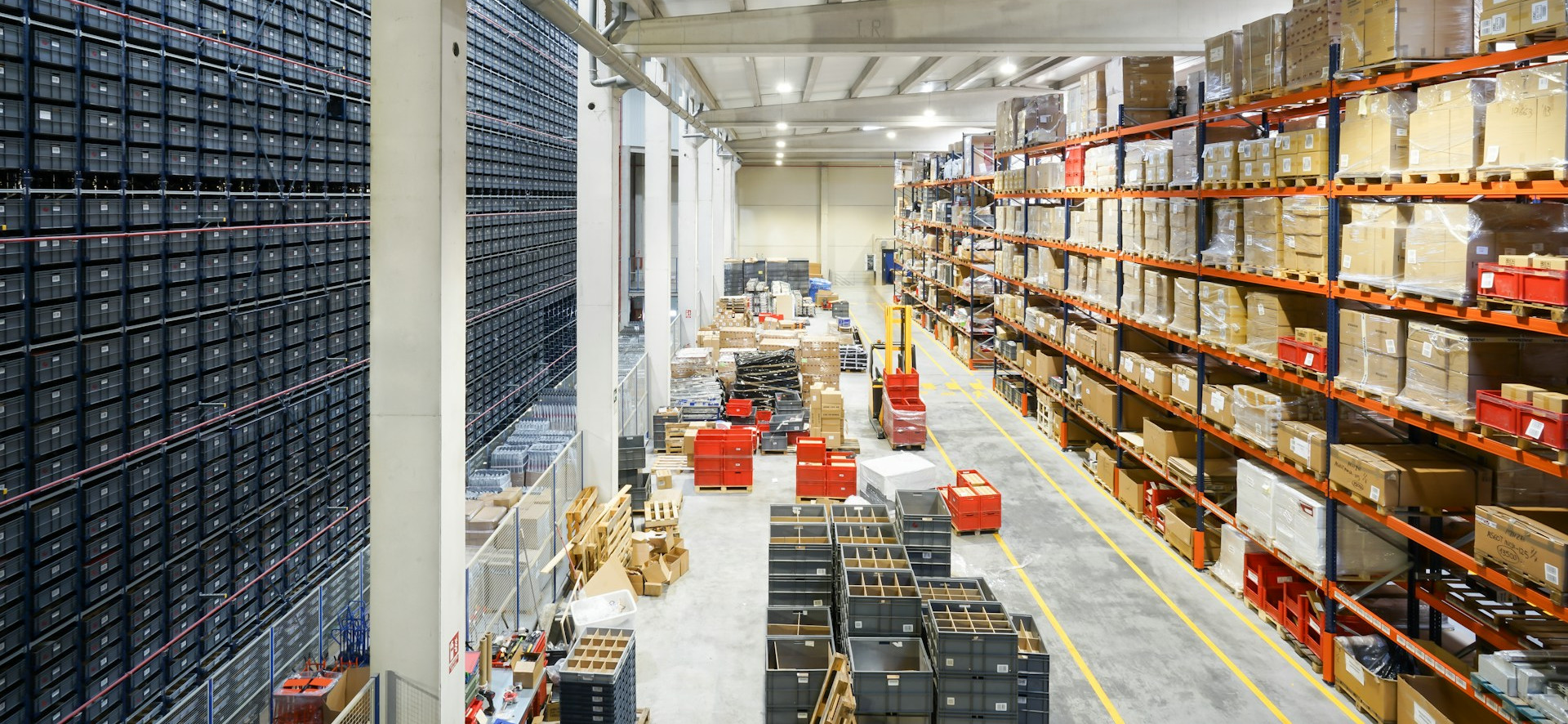
Table of Contents
Evaluate Your Current Storage Needs
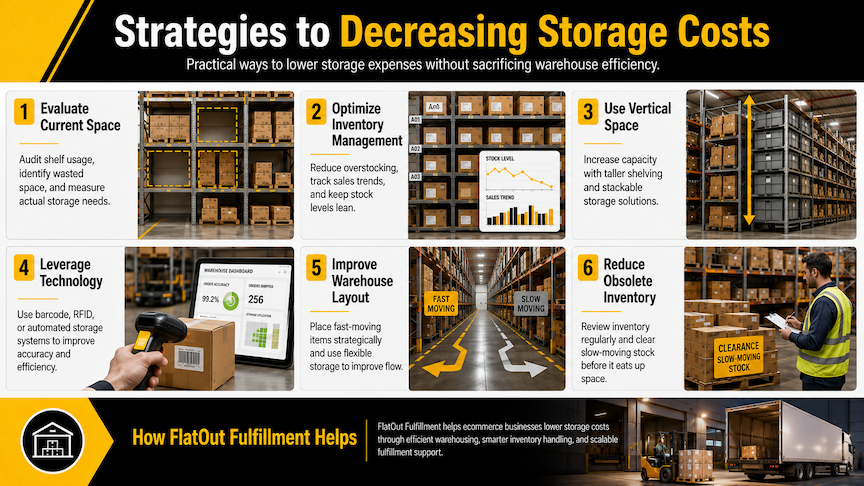
Before making any changes, it helps to understand the current storage situation clearly. That means assessing how much space is actually being used, what it's costing, and whether the current storage solution is the most cost-effective option available. Sometimes simply reorganizing existing space makes a bigger difference than any new system or tool.
Many businesses discover during this step that they're paying for far more space than they actually use, simply because no one had looked closely at utilization in a while. That kind of gap tends to grow quietly over time until someone stops to measure it.
Conduct a Space Audit
A space audit means taking a detailed inventory of a storage area to see how efficiently it's actually being used. Look for wasted space, like empty shelves or areas filled with slow-moving inventory. Optimizing the layout around what's found makes better use of the space already available and avoids paying for storage that isn't earning its keep.
Use Vertical Space
One often overlooked strategy is making better use of vertical space. Taller shelving units and stackable containers can meaningfully increase storage capacity without requiring any additional floor space. This approach is especially useful in an ecommerce fulfillment warehouse, where every square foot tends to come at a premium.
Optimize Inventory Management
Efficient inventory management is key to reducing storage costs in any ecommerce warehouse. Keeping a closer eye on stock levels and sales trends makes it possible to avoid overstocking, which directly reduces how much space is needed for storage in the first place. Even a modest reduction in excess stock can free up meaningful space once it's applied consistently across an entire catalog.
Implement Just-in-Time Inventory
Just-in-time, or JIT, inventory management means ordering and receiving goods only as they're needed for production or sales. This strategy can drastically reduce how much inventory needs to sit in storage at any given time. It does require precise planning and reliable suppliers, though, since there's little room for error when stock levels are kept deliberately lean.
Leverage Technology to Reduce Storage Costs
Modern technology offers several tools that can help manage storage more efficiently and bring costs down over time. The right combination usually depends on order volume, since the systems that make sense for a high-volume operation can be overkill for a smaller one.
Automated Storage and Retrieval Systems
Automated storage and retrieval systems, often called ASRS, use computer-controlled systems to place and retrieve items from storage automatically. These systems can significantly reduce the amount of space needed and improve overall warehouse efficiency. The upfront investment tends to be high, but the long-term savings in both storage space and labor can be substantial for a business with enough volume to justify it.
Barcode and RFID Technology
Barcode and RFID technology make it possible to track inventory with much greater accuracy, which helps maintain correct stock levels and reduces the risk of overstocking. These systems make it far easier to locate and track items within a warehouse, improving efficiency and cutting down on both the time and space needed for storage.
Partner with a Fulfillment Company
When managing storage in-house becomes too costly or complex, partnering with a fulfillment company can be a more cost-effective path forward. Fulfillment companies specialize in warehousing and can often offer more competitive storage rates thanks to the economies of scale that come from serving many clients at once.
Benefits of 3PL Fulfillment Companies
Third-party logistics, or 3PL, fulfillment companies provide a range of services that typically include storage, packing, and shipping under one roof. Outsourcing these tasks frees up time to focus on growing the business while still benefiting from the expertise of a dedicated fulfillment provider. Many ecommerce businesses that work with warehouse fulfillment companies see meaningful cost savings alongside improved service levels, since the provider is built specifically to run these operations efficiently at scale.

Optimize Your Warehouse Layout
A well-organized warehouse layout has a direct impact on storage costs. Optimizing the layout makes better use of available space and improves the overall efficiency of day-to-day operations. Small changes, like relocating high-turnover items closer to packing stations, often deliver outsized results relative to how simple they are to implement.
Implement Lean Warehousing Principles
Lean warehousing focuses on reducing waste and improving efficiency across warehouse operations. This approach helps minimize the space needed for storage and lowers the costs that come with it. Key principles include keeping a clean and organized workspace, standardizing processes, and continuously looking for ways to improve.
Use Flexible Storage Solutions
Flexible storage solutions, like modular shelving units and adjustable pallet racks, make it easier to accommodate changes in inventory levels as they happen. That flexibility allows a storage space to be reconfigured as needed, rather than paying for space that sits unused during slower periods.
Reduce Obsolete Inventory
Carrying obsolete or slow-moving inventory can significantly increase storage costs over time. Regularly reviewing inventory to identify items that are no longer selling, and taking action on them, keeps storage space focused on products that are actually moving.
Conduct Regular Inventory Reviews
Scheduling regular inventory reviews makes it possible to assess how stock is actually performing. Slow-moving or obsolete items can then be identified and cleared out, whether through discounting, running a special promotion, or donating them. Catching this early tends to be far less costly than letting obsolete stock sit indefinitely.
How FlatOut Fulfillment Helps With Decreasing Storage Costs
Decreasing storage costs comes down to a handful of consistent habits: evaluating current storage needs, optimizing inventory management, leveraging the right technology, and clearing out obsolete stock before it becomes a bigger problem. Together, these strategies create a more efficient, cost-effective storage setup that supports growth instead of quietly working against it.
As a fulfillment center in Utah, FlatOut Fulfillment specializes in helping ecommerce businesses optimize their storage and fulfillment processes without the trial and error of figuring it out alone. Reach out to learn more about our warehouse and fulfillment services, and get a quote today.


