
How to Lower Freight Spend Without Cutting Quality
Shipping costs can quietly eat into margins, especially as order volumes grow and customer expectations stay high. Many ecommerce brands worry that lowering freight spend means slower delivery, more damage, or unhappy customers. The good news is that this doesn’t have to be a tradeoff. With the right Shipping and Freight strategy, it’s possible to control costs while still delivering a reliable customer experience.
Lower Freight Spend is about working smarter across your fulfillment operation, not simply choosing the cheapest carrier or rushing shipments out the door. From understanding what drives pricing to improving how products move through your ecommerce warehouse, small adjustments can create meaningful savings over time without sacrificing quality.

Table of Contents
Understanding the Impact of Shipping Costs
The impact of shipping costs goes far beyond what brands pay carriers each month. Freight expenses influence product pricing, customer satisfaction, and long-term scalability. When shipping rates increase unexpectedly, brands often have limited options and may need to absorb the cost or pass it along to customers, both of which can slow growth.
Shipping expenses also affect promotional strategies, free shipping thresholds, and return policies. These costs often influence margins more than brands expect, especially as order volume increases and fulfillment becomes more complex. Understanding this impact early helps brands make proactive decisions instead of reactive ones.
The Difference Between Freight and Shipping
Understanding the difference between freight and shipping is an important step toward reducing overall spend. Shipping typically refers to parcel deliveries handled by carriers like UPS or FedEx, often for individual customer orders. Freight usually involves larger, palletized shipments moved by less-than-truckload or full truckload carriers.
Freight shipments often offer lower per-unit costs but require more planning and coordination. Knowing when to use freight instead of parcel shipping can significantly lower Freight Spend, particularly for inventory replenishment, wholesale orders, or transfers between fulfillment locations.
What Factors Impact Shipping Costs
Many brands ask what factors impact shipping costs, and the answer usually involves multiple moving parts that work together.
Distance and Delivery Zones
Shipping costs increase as distance grows. Orders traveling across multiple zones cost more than those delivered regionally. Using an ecommerce warehouse located closer to your customers can shorten transit distances and reduce average shipping expenses.
Package Weight and Dimensions
Carriers rely on dimensional weight pricing, meaning box size matters just as much as actual weight. Oversized packaging often results in higher fees, even for lightweight products, making packaging efficiency critical.
Service Levels
Faster delivery options cost more. While fast and reliable shipping is important, not every order requires expedited service. Offering multiple shipping options allows customers to choose speed when they need it while keeping costs manageable.
Volume and Frequency
Higher shipping volume often leads to better rates. Consolidating shipments, scheduling freight strategically, and maintaining consistent order flow can all help reduce costs over time.

Smarter Packaging Choices That Reduce Freight Spend
Packaging decisions play a major role in reducing shipping costs. Right-sizing boxes, minimizing unused space, and choosing lighter packaging materials can quickly reduce Freight Spend without compromising product protection.
Smarter packaging also improves durability during transit. When products are packed securely and efficiently, damage rates decrease, returns drop, and replacement shipments are reduced. These savings compound over time and support a smoother customer experience. Regular packaging reviews within an ecommerce fulfillment operation often reveal easy improvements, especially for brands that scaled quickly without revisiting original packaging choices.
Reducing Shipping Delays Without Sacrificing Quality
Reducing shipping delays doesn’t always require spending more on faster services. Delays are often caused by operational inefficiencies rather than carrier speed.
Inventory Placement
Storing inventory closer to customers reduces transit time and shipping costs. Strategic placement allows more orders to ship via ground services while still meeting delivery expectations.
Order Accuracy
Incorrect picks create delays, reships, and added freight costs. Improving pick and pack accuracy lowers Freight Spend by eliminating unnecessary replacement shipments and customer service issues.
Carrier Flexibility
Relying on a single carrier can limit options during peak periods. Using multiple carriers helps prevent bottlenecks and supports consistent delivery performance.
Using Data to Guide Shipping and Freight Decisions
Data is one of the most effective tools for lowering Freight Spend. Reviewing shipping reports reveals trends related to delivery times, zones, and cost per order. This visibility supports smarter planning and helps avoid cost surprises that can disrupt budgets.
Shipping and Freight Tips often emphasize tracking average cost per shipment, damage and return rates, transit times by region, and freight versus parcel comparisons. With this insight, brands can refine strategies proactively instead of reacting after costs increase.
How the Right Fulfillment Partner Supports Cost Control
Experienced fulfillment companies help brands balance cost efficiency with delivery quality. A knowledgeable ecommerce fulfillment partner evaluates carriers, improves packaging workflows, and selects the best shipping method for each order type.
Working with an ecommerce warehouse that maintains strong carrier relationships can unlock better pricing and more flexibility. This approach supports Lower Freight Spend while preserving service standards customers expect.
FlatOut Fulfillment supports brands by identifying cost-saving opportunities across Shipping and Freight operations. By focusing on efficiency and consistency rather than shortcuts, brands gain sustainable savings that support long-term growth.
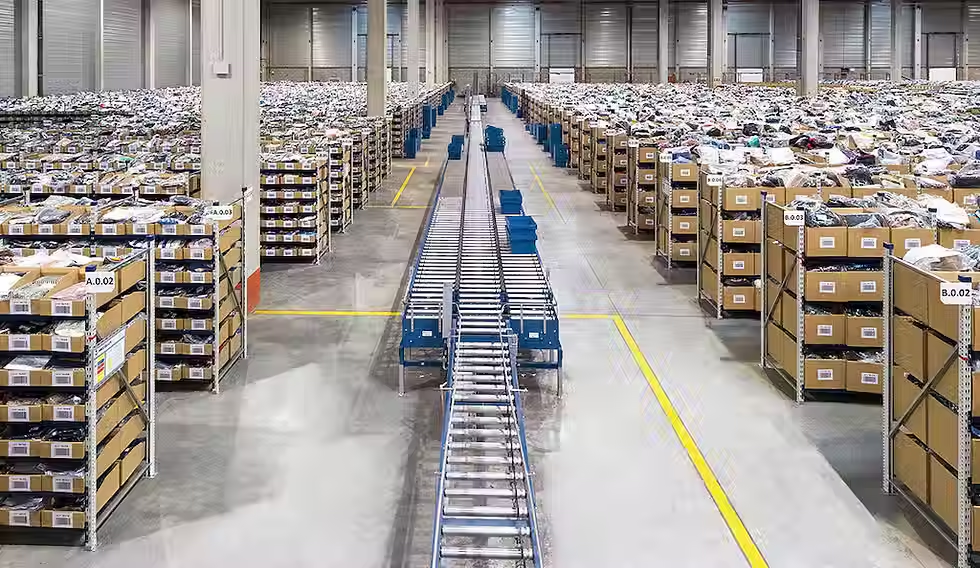
Lower Freight Spend With FlatOut Fulfillment
Lower Freight Spend doesn’t require slower delivery or reduced quality. It comes from understanding Shipping and Freight fundamentals, making informed operational decisions, and partnering with teams that value efficiency and reliability. We offer a wide range of services to assist you with all your shipping and freight needs.
If you’re looking to reduce freight spend while maintaining fast and reliable shipping, FlatOut Fulfillment helps ecommerce brands streamline fulfillment workflows and control shipping costs with confidence. Contact us to learn how a smarter fulfillment strategy can support your growth.


